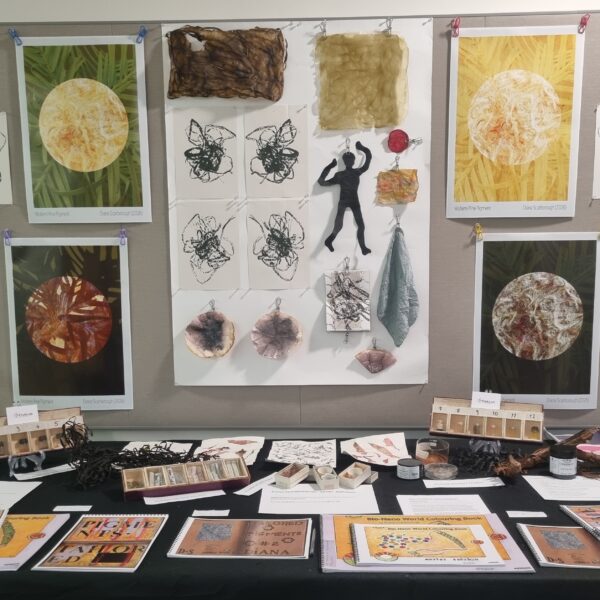
Creative activity in Cambridge flows down variegated paths, often a compelling blend of art and design with science and technology.
Here, with a timely Net Zero Week post, we focus on a project that combines all these elements. Our review covers an exhibition which celebrated multimedia artist and engineer Diana Scarborough’s ‘Tailored Pigments’ residency at Fruk Lab’s bio-nanotechnology laboratory. This leads on from an earlier journal story relating to seaweed.
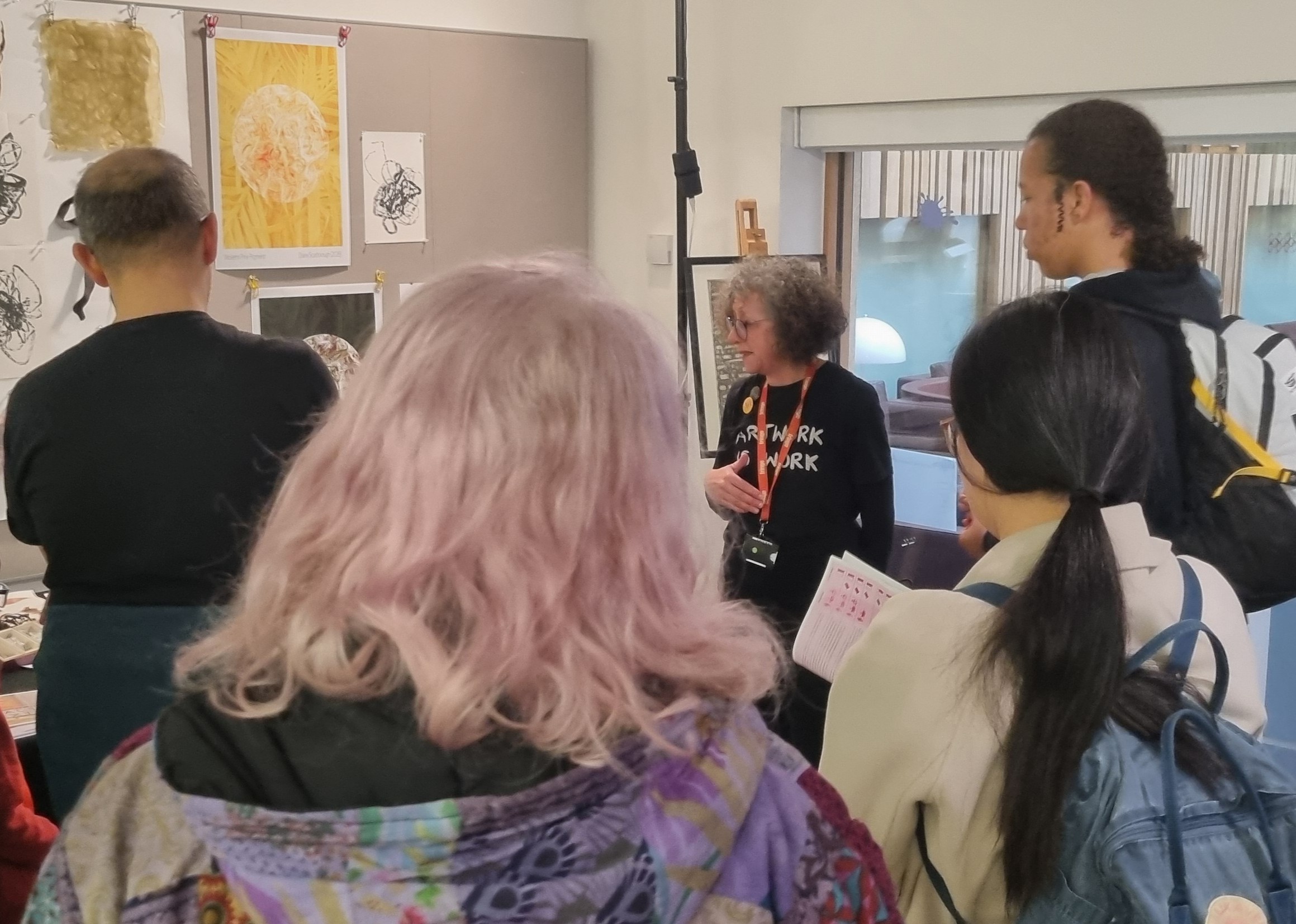
Diana Scarborough talking about her artist residency with Fruk Lab
The Cambridge Festival show, which took place in March, highlighted areas of Diana’s one-year project, at the Department of Chemical Engineering & Biotechnology, where Fruk Lab is based. The festival, run by the University of Cambridge, opens up a number of research and academic venues, enabling members of the public to participate in various activities.
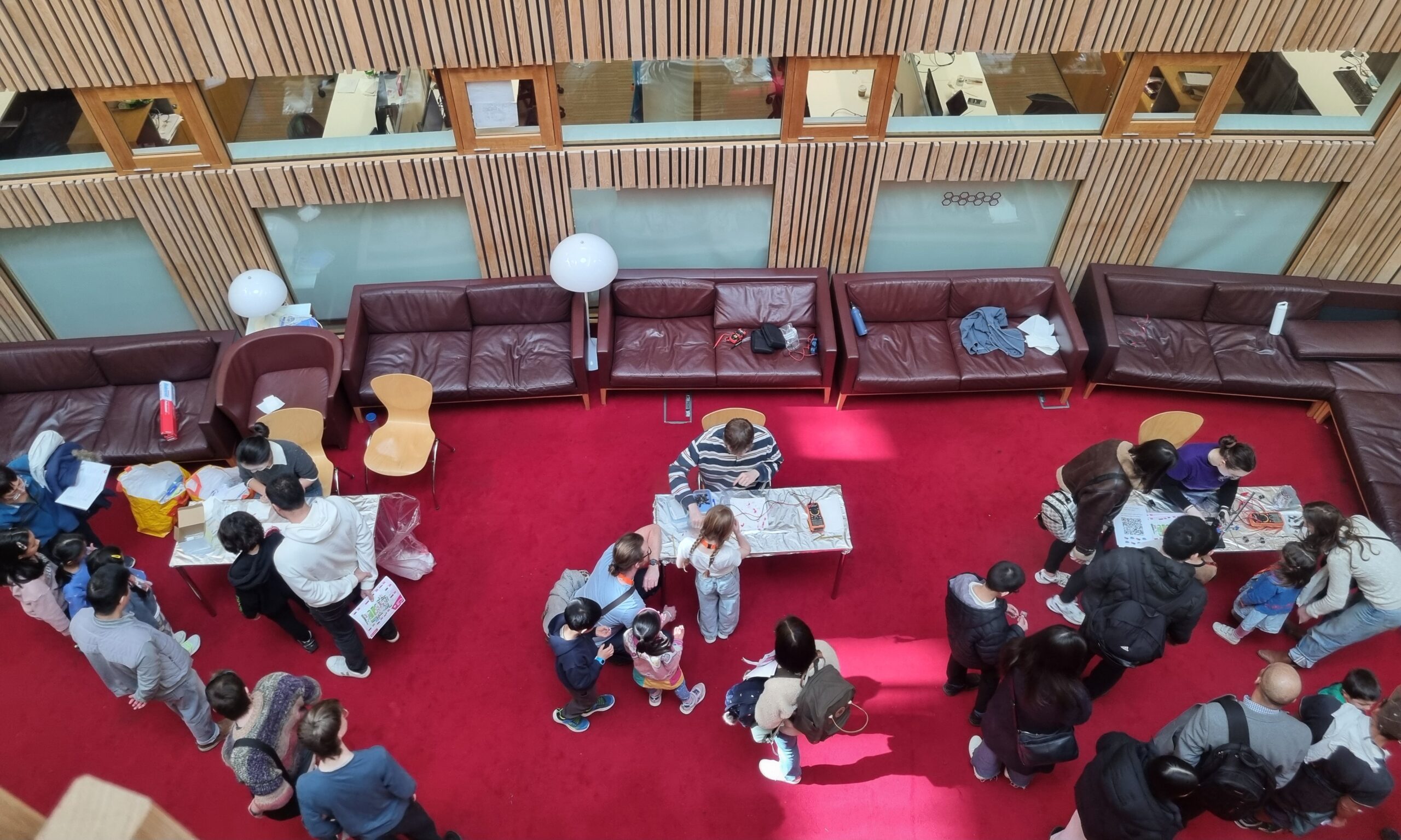
Stranks Lab’s hands on berry solar cell demo at the Cambridge Festival 2026 © Armadillo Central
An Armadillo Central favourite was the interactive design of berry powered solar cells presented by Stranks Lab. Each hands-on stage was guided by a member of their team. The experiment, which resulted in the creation of small square chips, one per visitor who took part, demonstrated how light and chemistry combine to make electricity – colour-fuelled, nature-powered – hot topics, so cool.
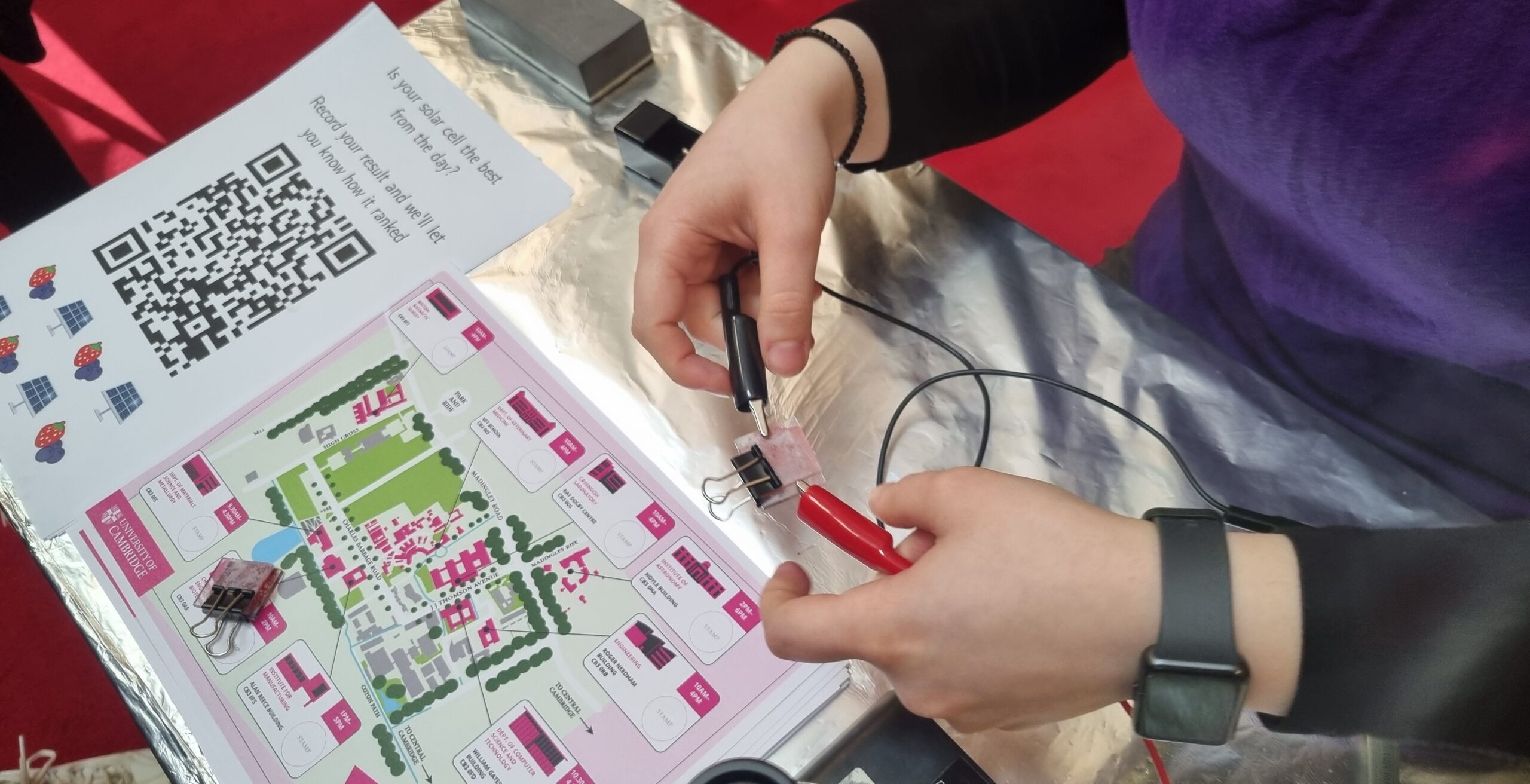
Stranks Lab testing a berry solar cell at Cambridge Festival 2026
We were also absorbed by Professor Ljiliana Fruk’s talk exploring how nanotechnology can change the way we diagnose, repair and restore the body.
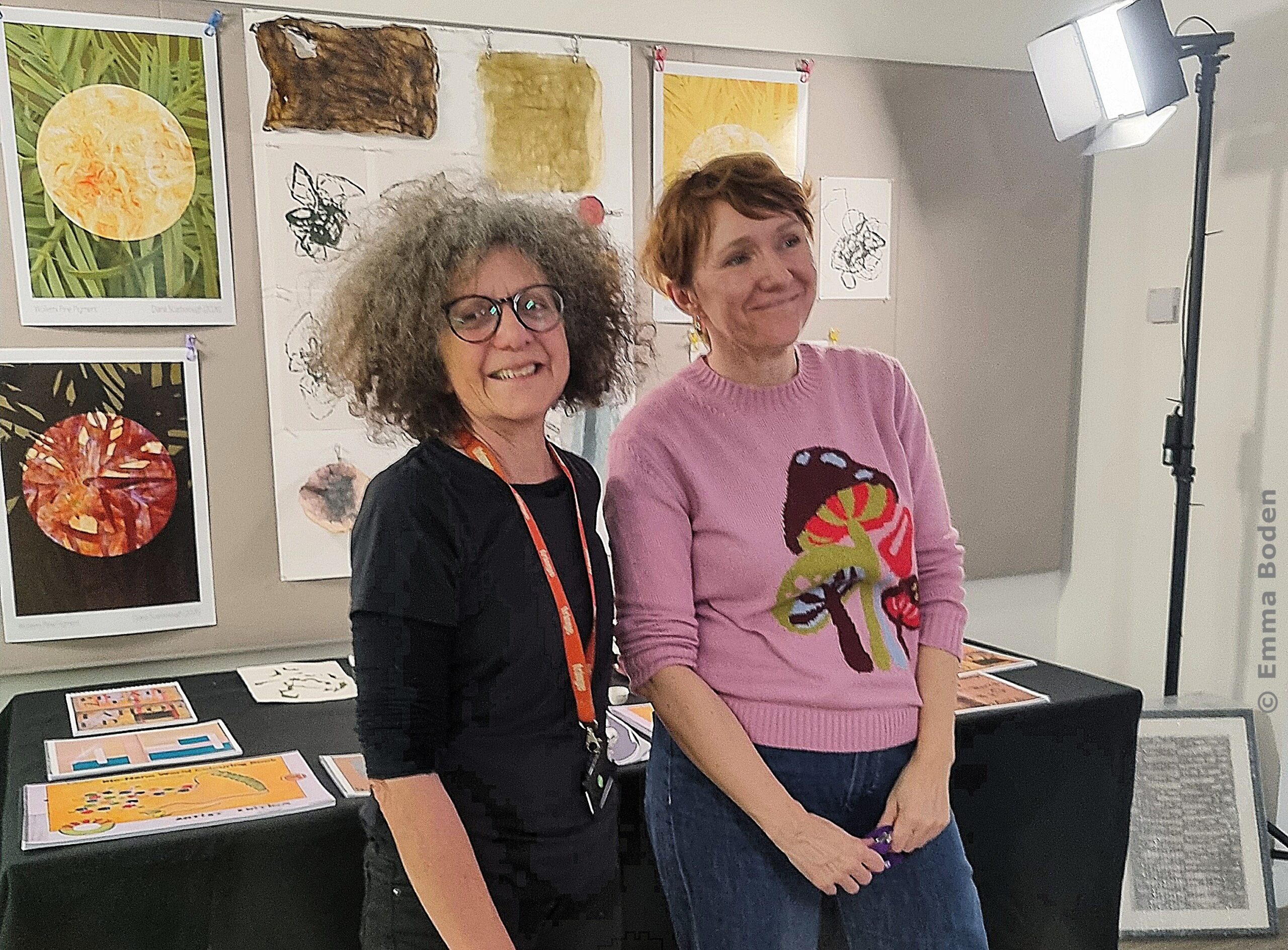
Artist and engineer Diana Scarborough with Ljiljana Fruk, Professor of BioNano Engineering at Fruk Lab, who also teaches bionanotechnology, chemical product design, and engineering ethics – portrait © Emma Boden, Cambridge 2026
Most of our time, however, was spent in Diana’s exhibition space, helping with the displays. Her room attracted a constant stream of visitors, curious to find out more about her process and view her artistic output, which included a short film.
Asked about her artist’s residency, Diana said: “It gave me time to really explore the process of making colour from natural materials and was a fantastic opportunity to work alongside Fruk Lab and colour specialists such as Colorifix. They are developing dyes from natural resources that minimise environmental pollution, which is a huge issue in the fashion and textile industry.
I am now most interested in adapting a dye-making process to make inks that I can use for print making. My experimental processes and research took a lot longer than expected, so this is still work in progress.”
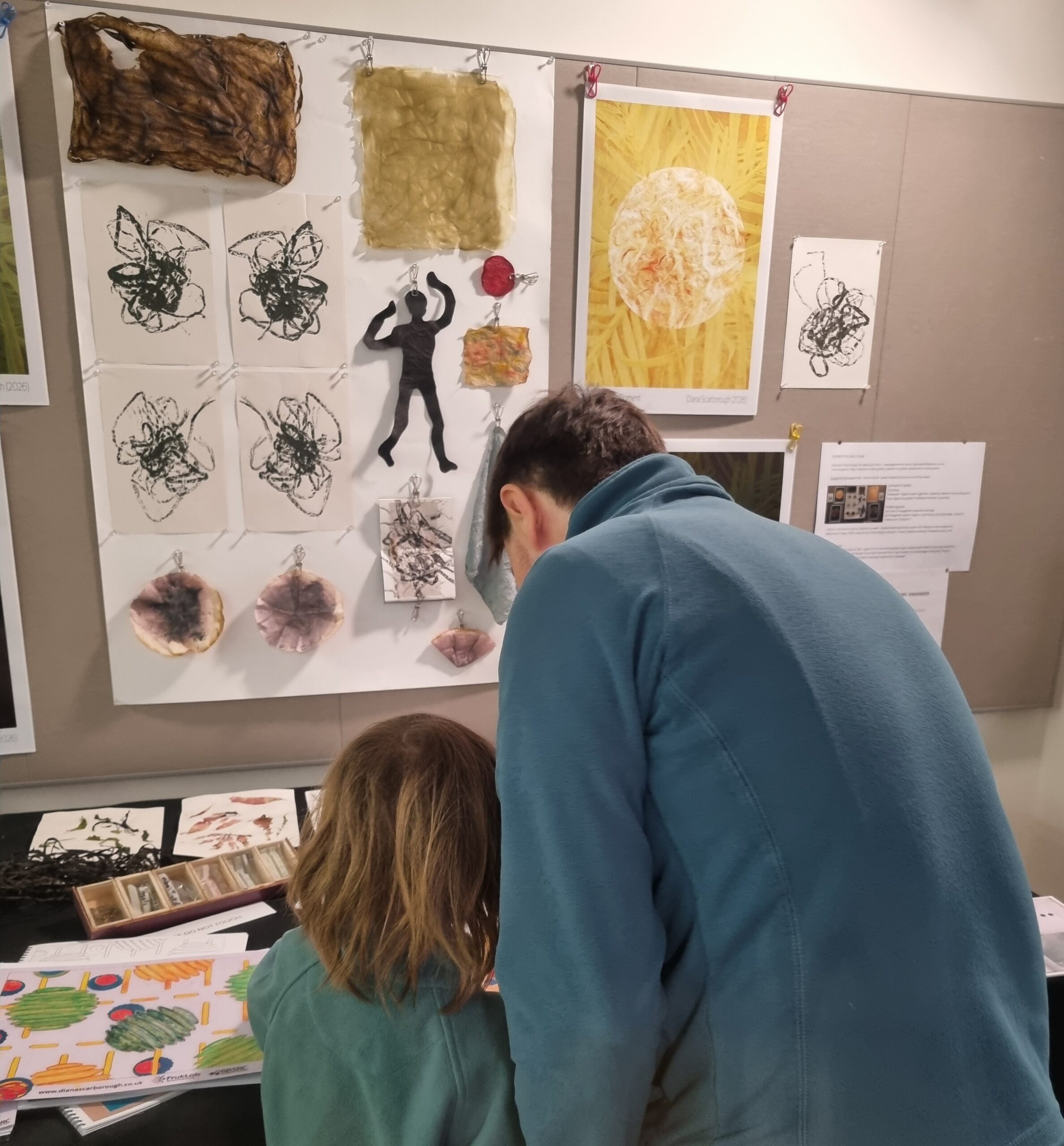
Visitors at the Art of Eco-conscious Colour exhibition
Entitled The Art of Eco-Conscious Colour, Diana’s Cambridge Festival space featured a backdrop collaged with the results of various experiments. We loved putting this display together, from whisper thin sheets of pressed algae, via rudimentary prints taken directly from strands of seaweed samples, through to printed posters, on sale to fund the artist’s future developments in this field.
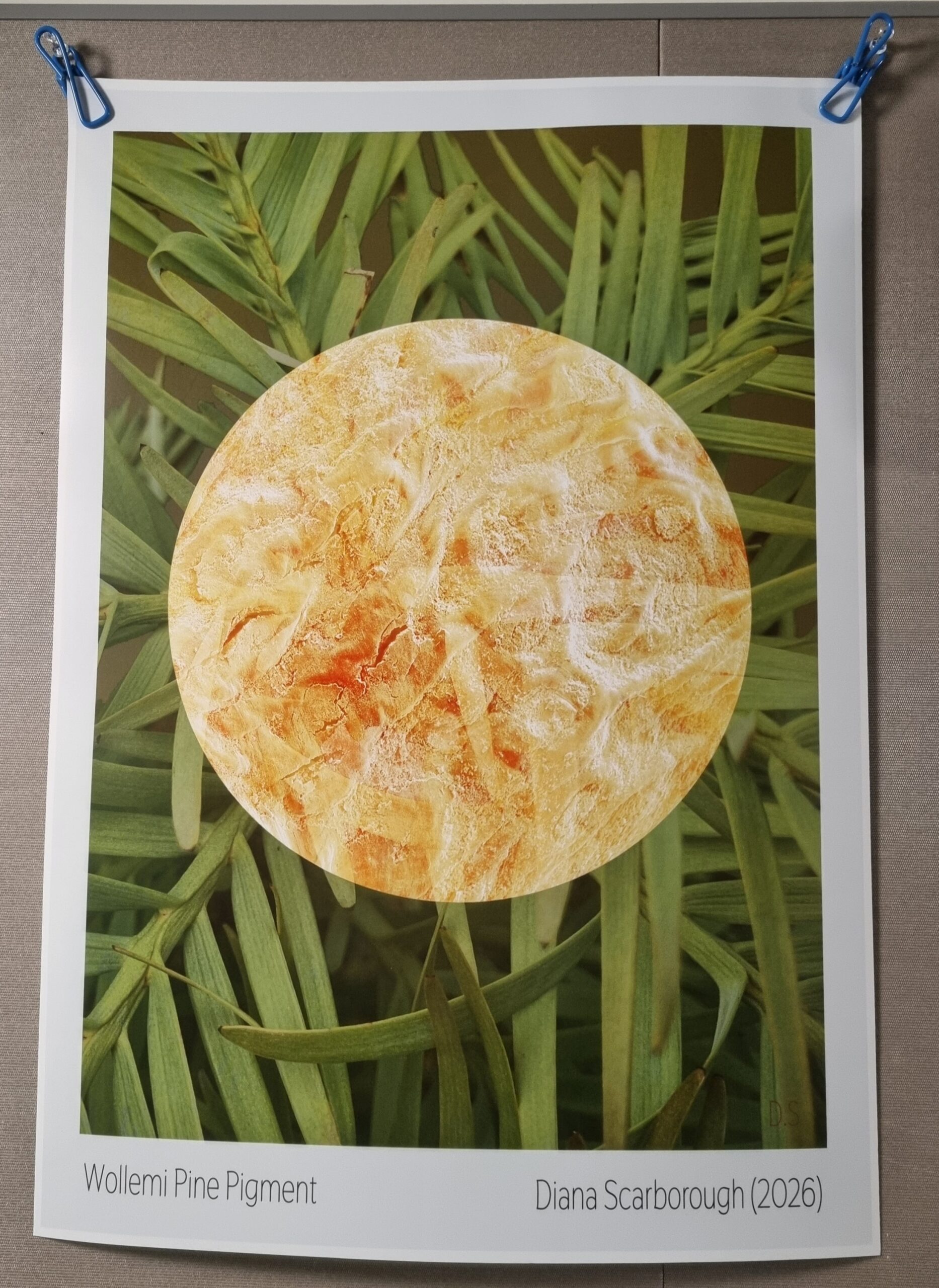
Wollemi Pine Pigment digital print poster by Diana Scarborough
Various phials of natural materials from which to create pigments were laid out in antique laboratory sample boxes. An intriguing dark crimson disk with a springy texture had been created from bacterial material originating from hibiscus flowers, investigating its potential as a new material. How could it be used, how might it perform, how long would it last?
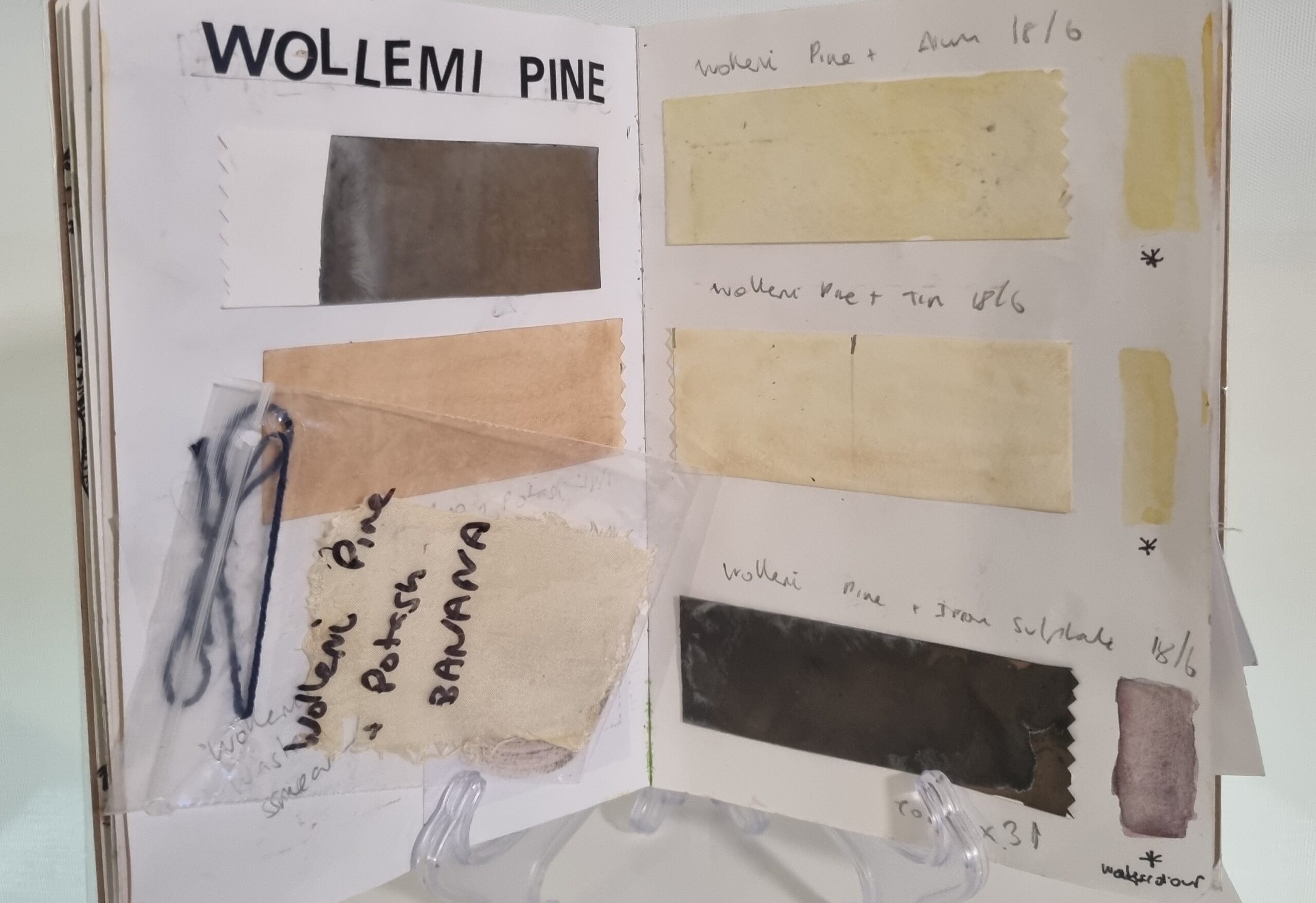
Shades of Wollemi pine and banana pigment in one of Diana Scarborough’s artist notebooks
Some of these questions were discussed in Diana’s informal talks on the day, with diverse visitors from every walk of life. The youngest were entertained with a thoughtful supply of colouring pens (not so nature-based) and paper.
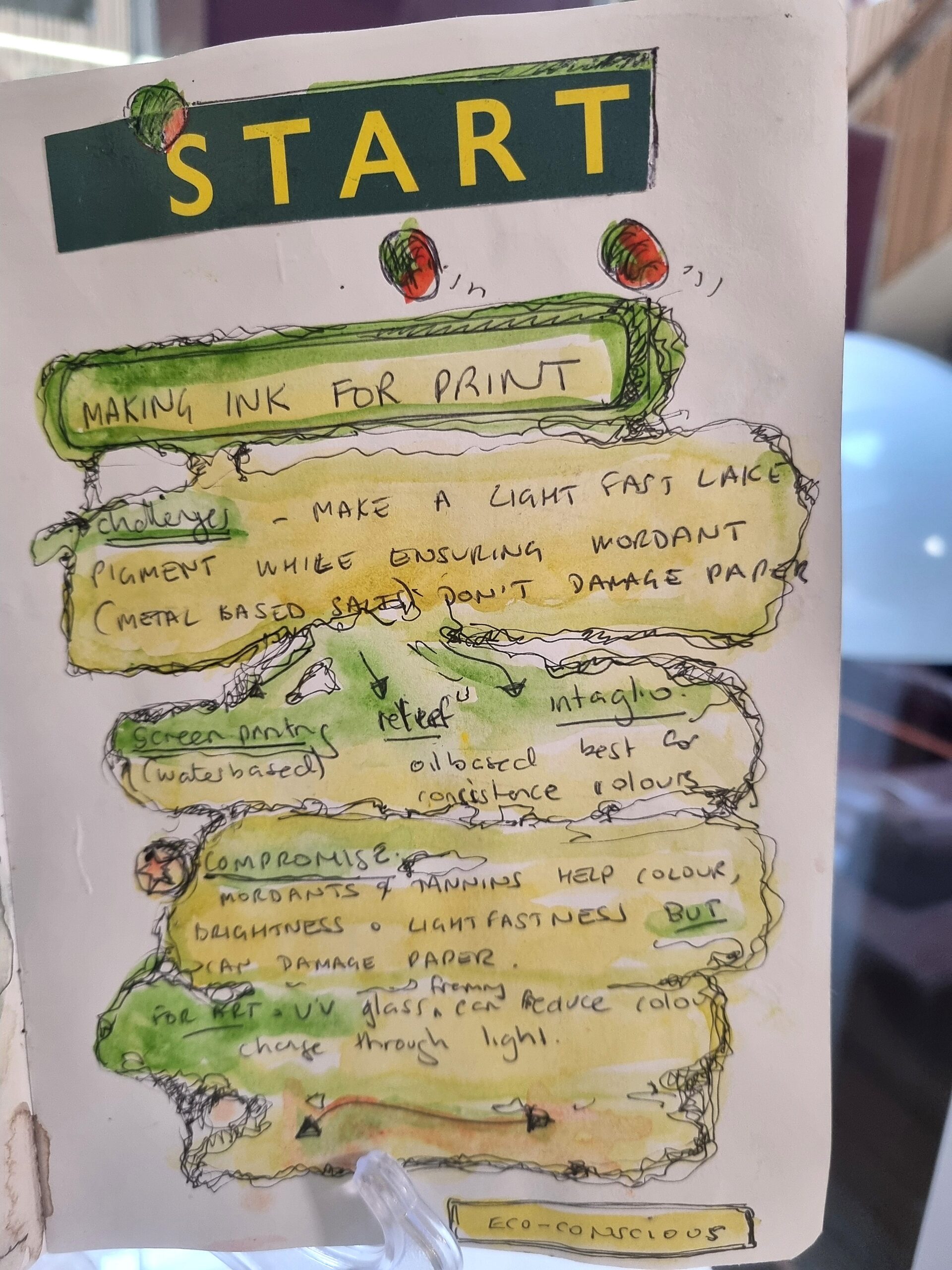
Exploring the process of eco-conscious dye-making in one of Diana Scarborough’s sketchbooks
Artists’ notebooks were on display offering an insight into the different phases of Diana’s experimental work. One documented the use of spiky leaves from the wollemi pine plant to distil shades of yellow, while another investigated the colour blue, including indigo’s long-standing and far-reaching appeal.
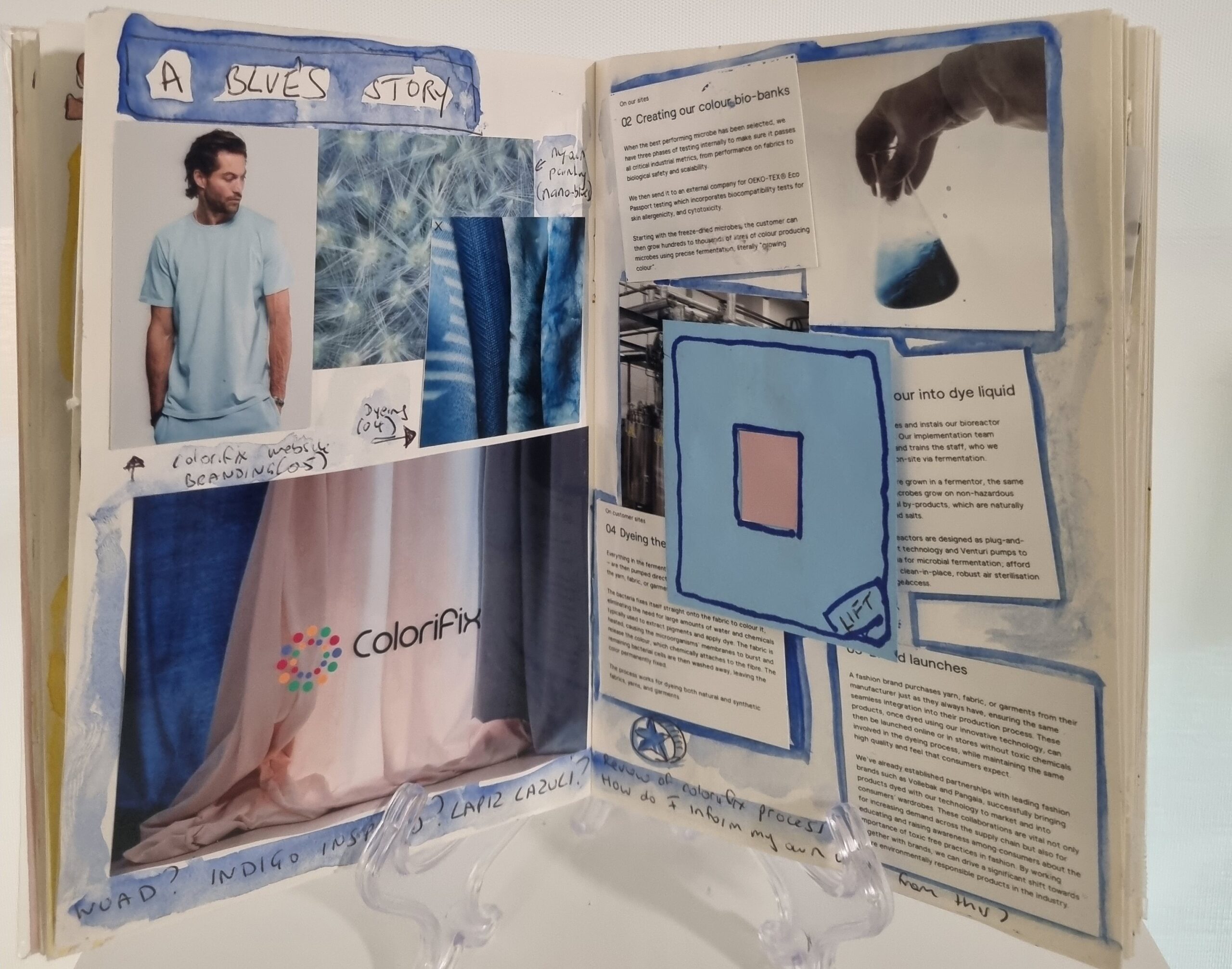
Exploring the blues, Diana Scarborough artist notebook
“I’m looking forward to creating unique post-residency art prints from plant based inks. These will include indigo and Wollemi pine as well as charcoal, and bacterial pigments that I am still exploring. During the Cambridge Festival, I loved the lively and interesting conversations about my sketchbooks, and the actual pigments themselves. So many people seem to be interested in colours and how they are made.”
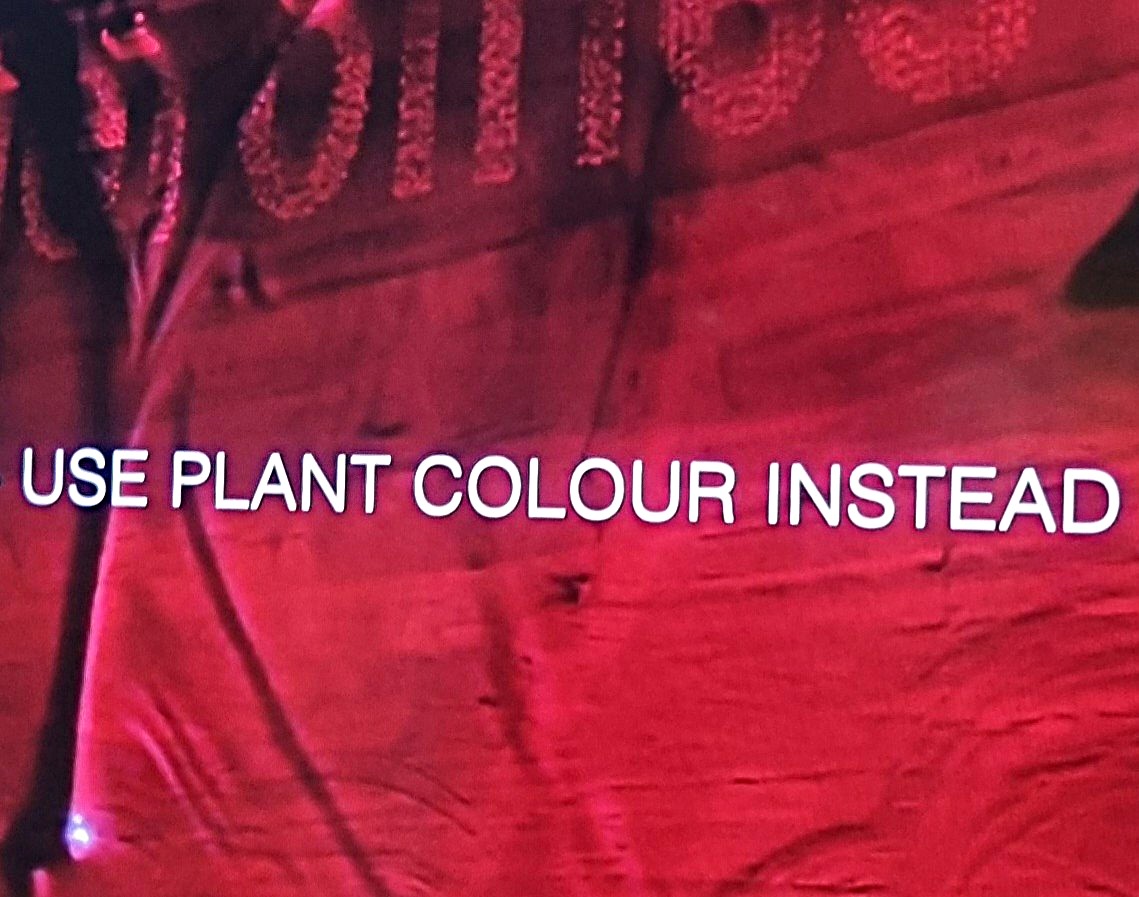
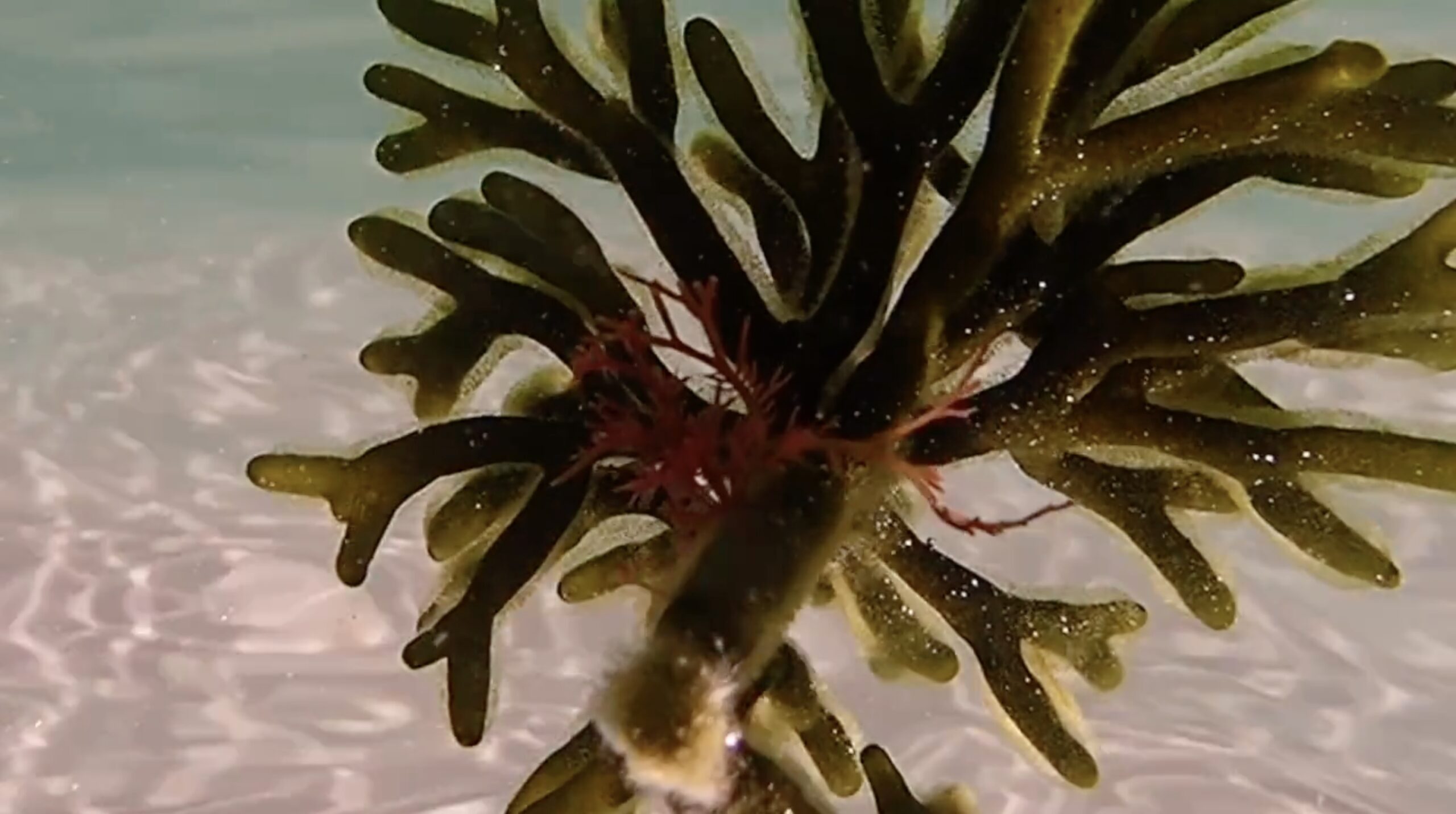
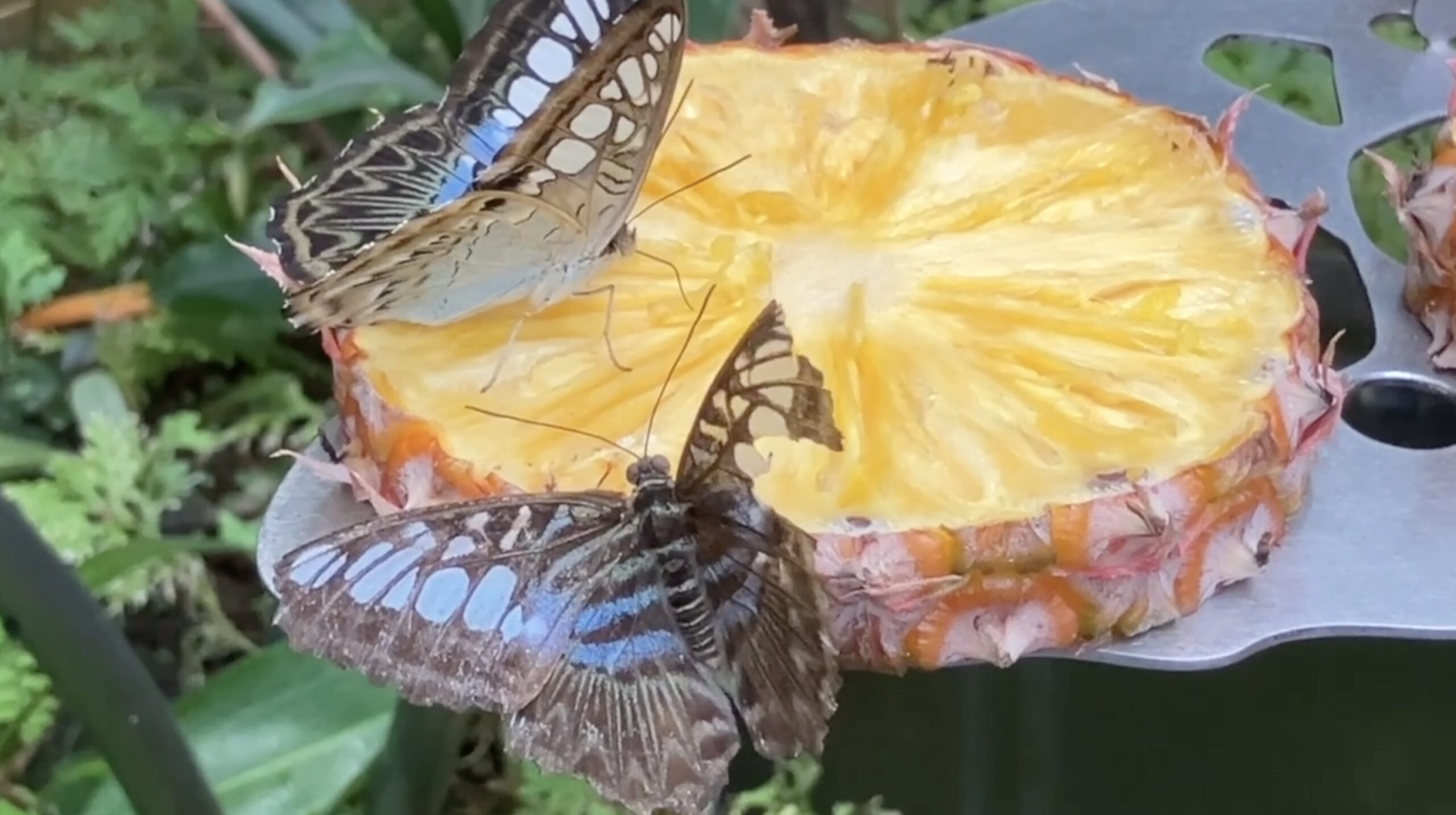
Still from Diana Scarborough’s Eco-conscious Colour short film, first screened at Cambridge Festival, 2026
Visitors’ interest in using natural resources to create tints instead of synthetics was tangible, and has become critical as global waterways are increasingly choked by toxic industrial waste, not to mention other destructive effluents.
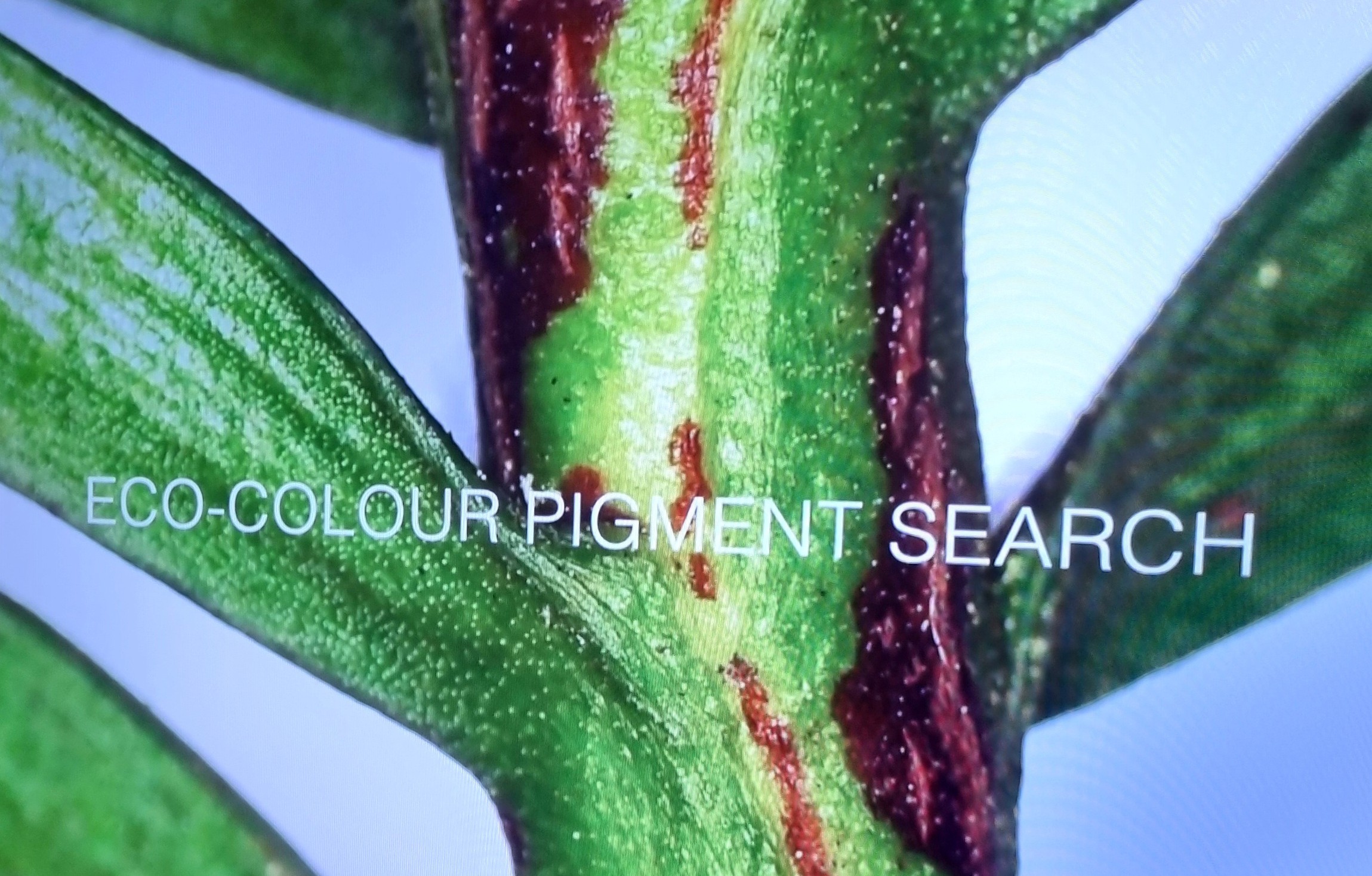
Still from Diana Scarborough’s Eco-conscious Colour short film, first screened at Cambridge Festival, 2026
It is heartening to find that so much work is being done to further the cause of a sustainable future, notably in Cambridge’s laboratories, thanks to scientists from all over the world. Collaborative multi-disciplinary projects like Fruk Labs’, with artists like Diana, are helping to communicate this progress, whilst engaging an ever-wider audience.
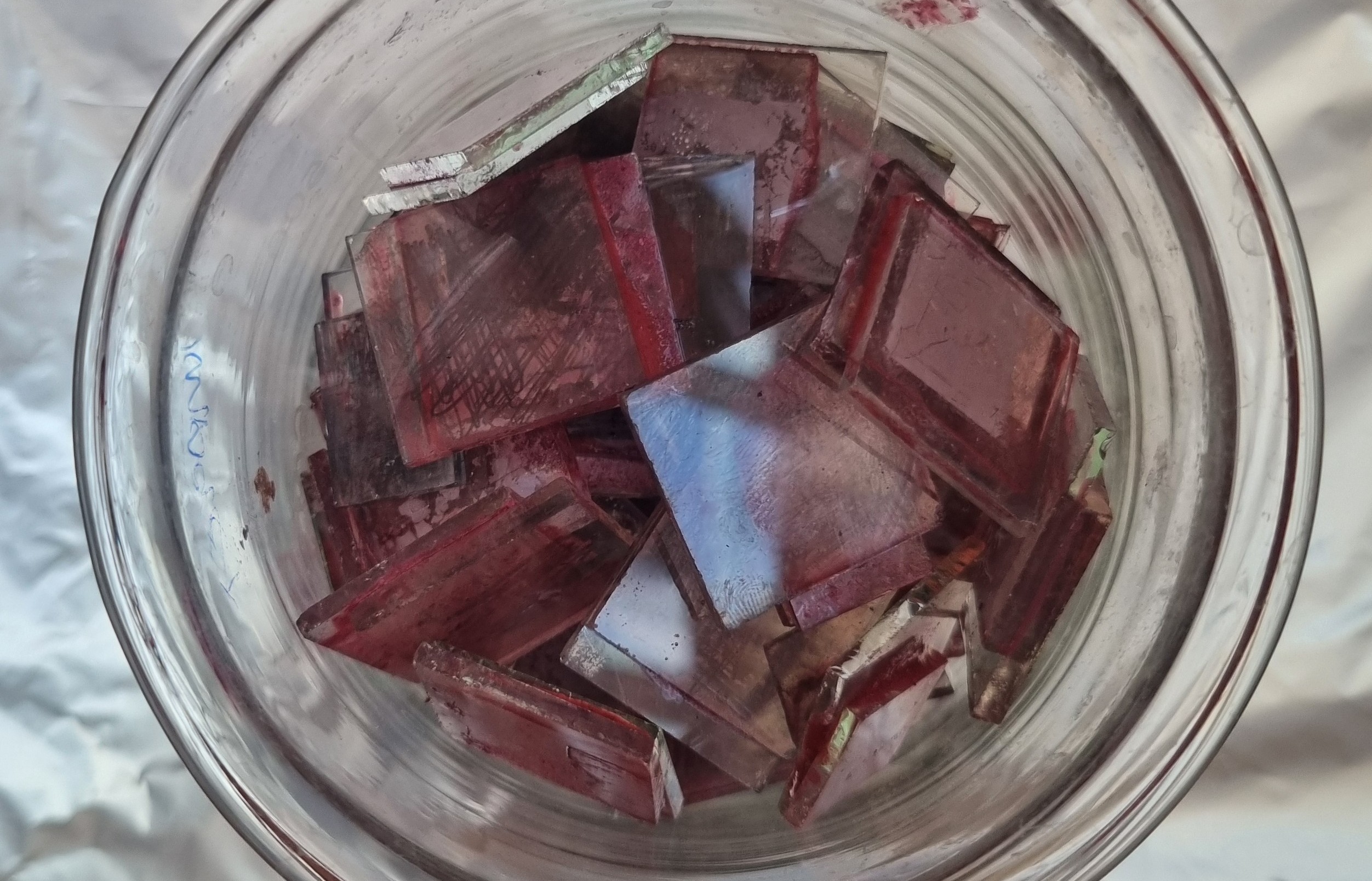
Some of the results of Stranks Lab, Cambridge’s hands on Make Your Own Berry Solar Cell activity at Cambridge Festival 2026
This has never been more urgent, a reminder to us all to take as many steps as possible in our daily lives, whatever field we’re in, to consider sustainability, and to respect and nurture the planet that we call home. There is still time to turn the tide, and that is something to champion and celebrate in full technicolour.
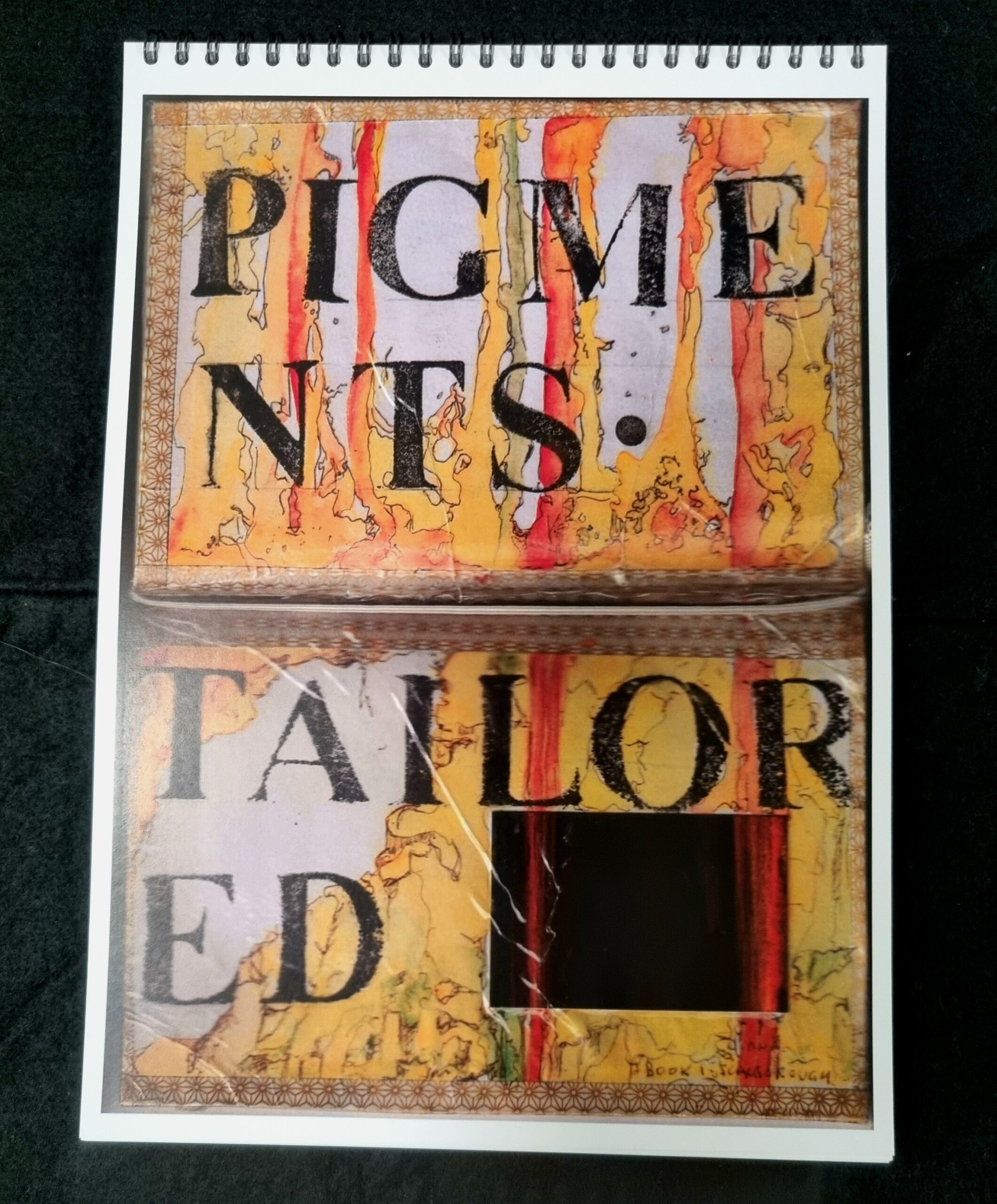
A copy of Tailor Made Pigments artist’s book, documenting Diana Scarborough’s Fruk Lab residency
Discover more about Diana and her other projects on her website. Visit Cambridge Festival’s website to view this year’s events and check dates for 2027.
Text and photography © Emma Boden for Armadillo Central, 2026. You are welcome to share our original content as long as we are name checked us as a source, thank you!
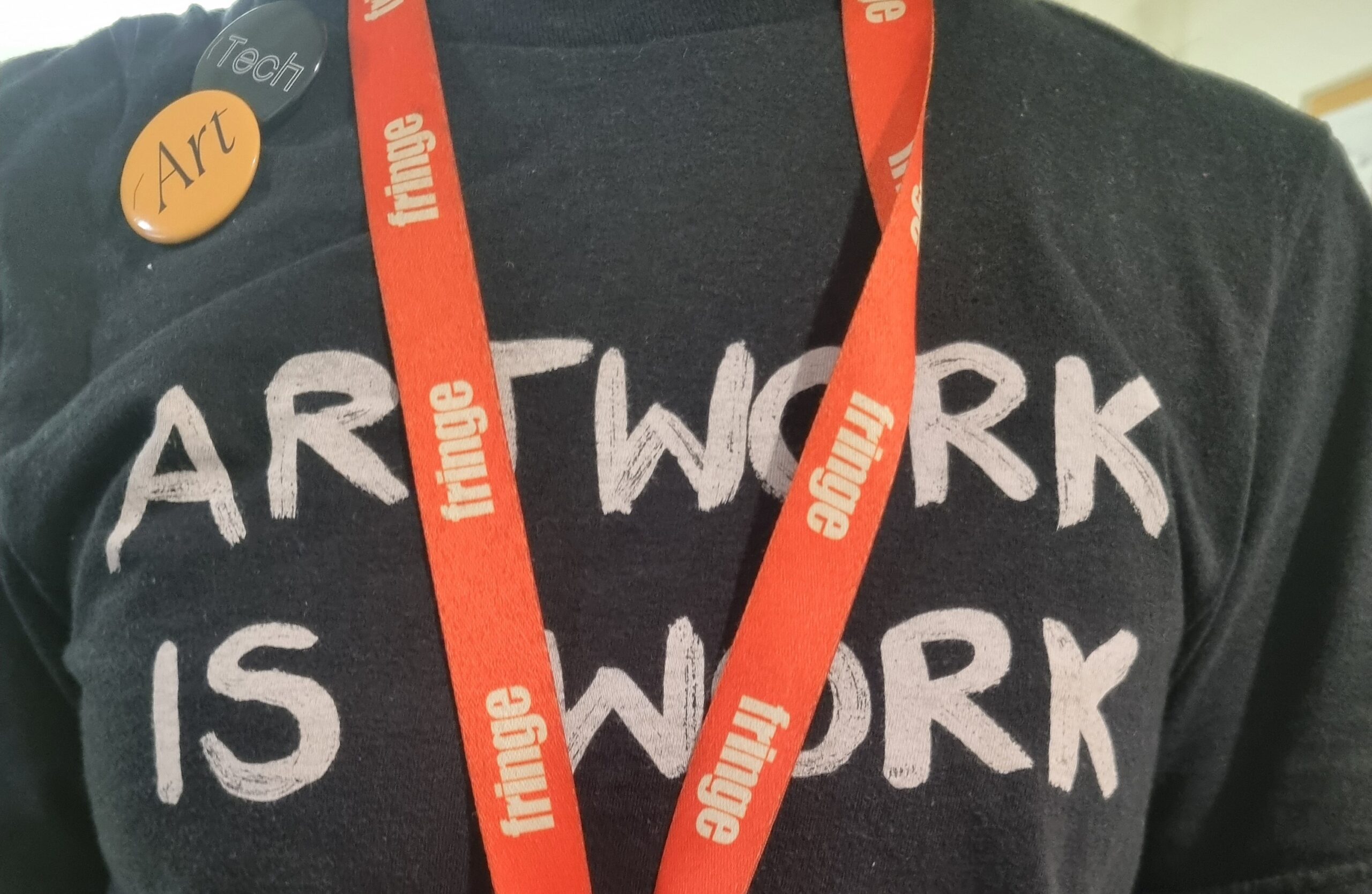
‘Artwork is Work’, as worn by Diana Scarborough at ‘The Art of Eco-conscious Colour’ 2026 © Armadillo Central
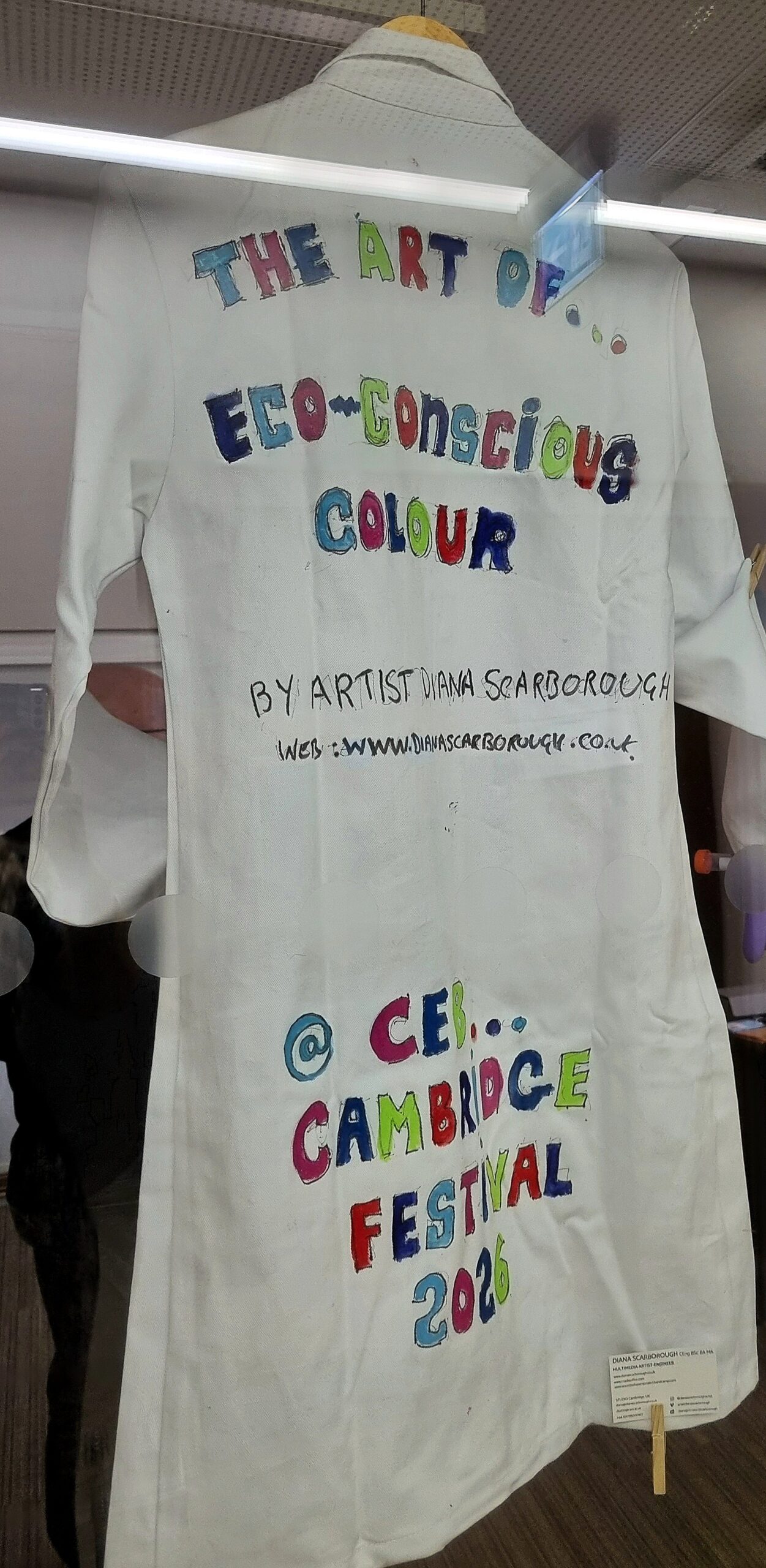
Multimedia artist and engineer Diana Scarborough’s lab coat for ‘The Art of Eco-conscious Colour’ 2026 © Armadillo Central
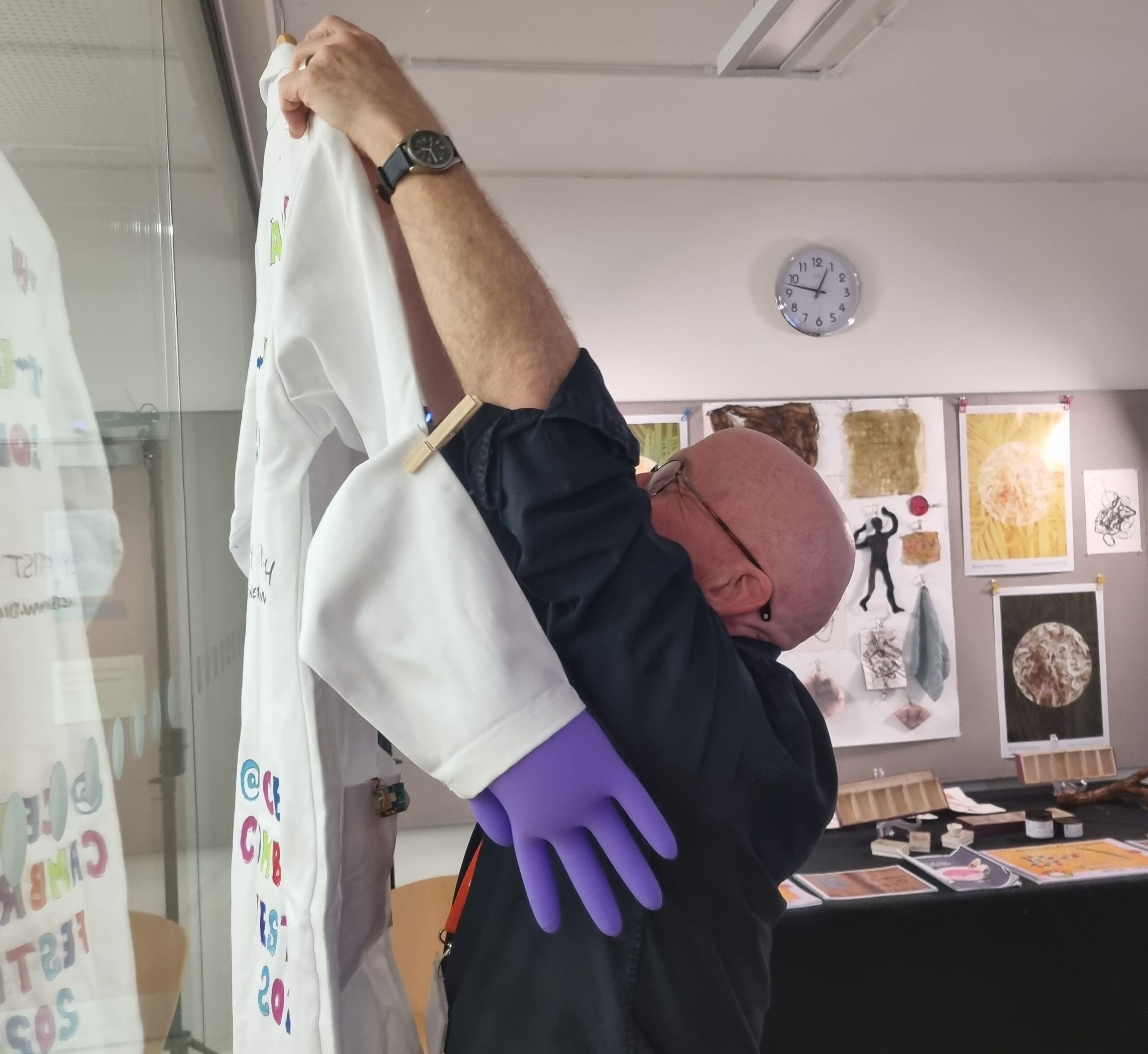
Nick Moran helping set up the display for Diana Scarborough’s ‘The Art of Eco-conscious Colour’ 2026 © Armadillo Central
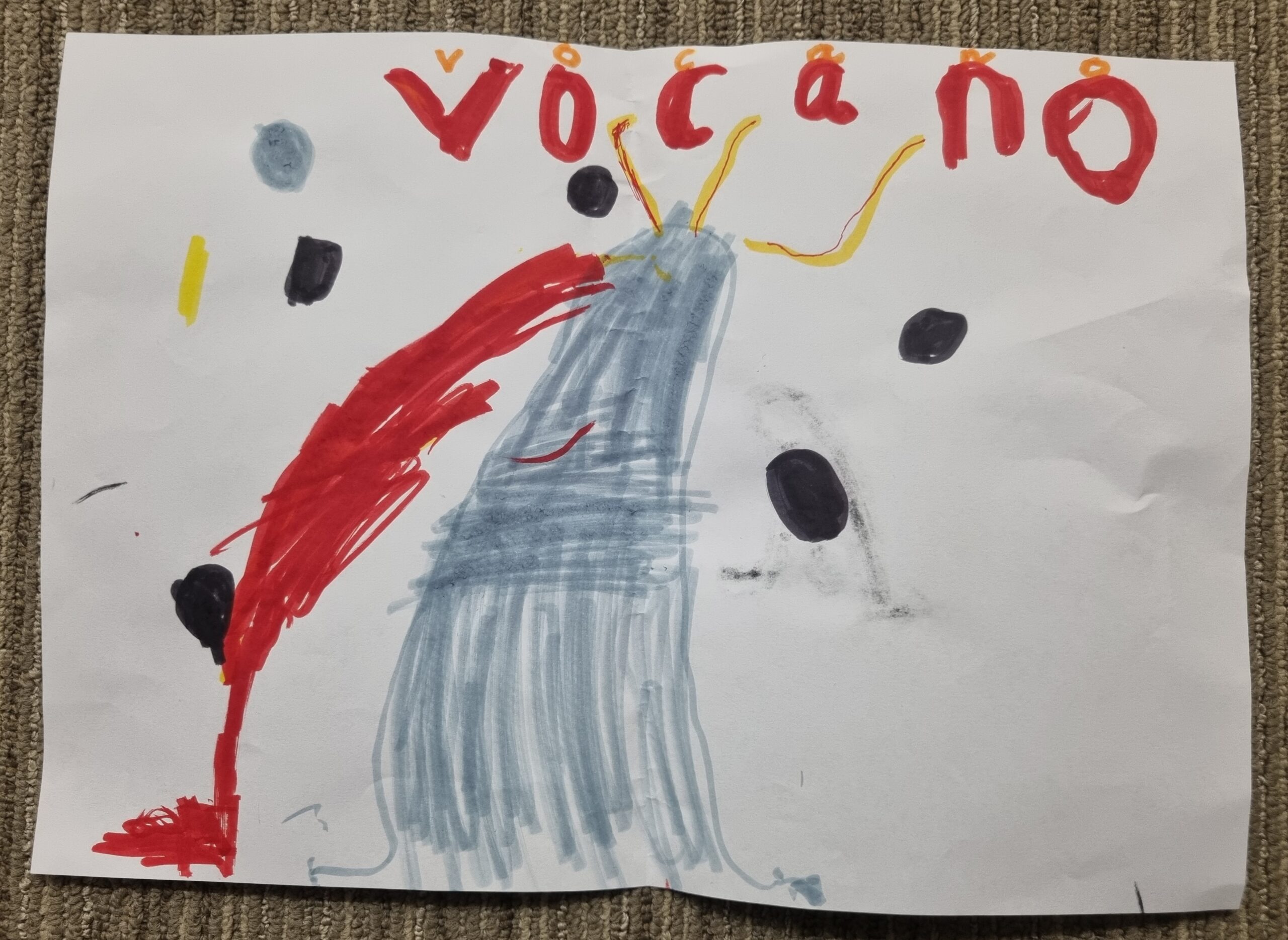
Ollie’s beautifully detailed drawing inspired by volcanic eruptions, discussed in the ‘Geraldine the Elephant and the Science of Foam’ workshop at Cambridge Festival 2026
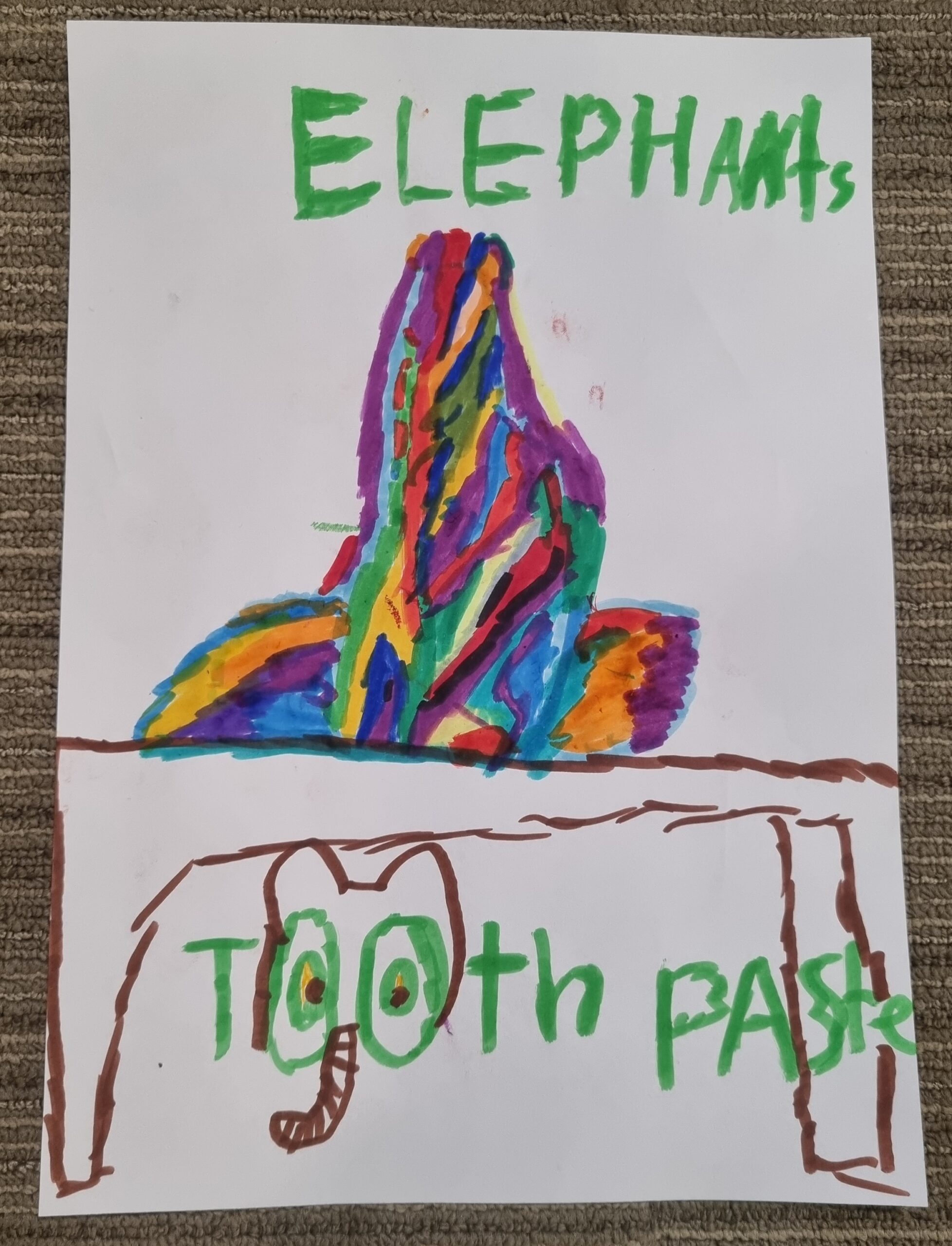
Luthira’s fabulous colour-fuelled drawing inspired by the ‘Geraldine the Elephant and the Science of Foam’ toothpaste workshop at Cambridge Festival 2026
AI will never be able to compete with the spontaneous and personal imagination and creativity of our younger generations (or artists of any age for that matter) besides, what kind of business prides itself on stealing from children? We name checked them by first name for privacy reasons, with permission from the young artists’ parents to publish the above drawings. Permission was also given by all other parties featured in this article.
If you’re as concerned about AI and visual artists’ copyright as we are, you can find more information via DACS – The Design & Artists Copyright Society
View a handful more film stills from Diana Scarborough’s short Eco-conscious Colour below: